“The Corridor “- our garden before the borders.
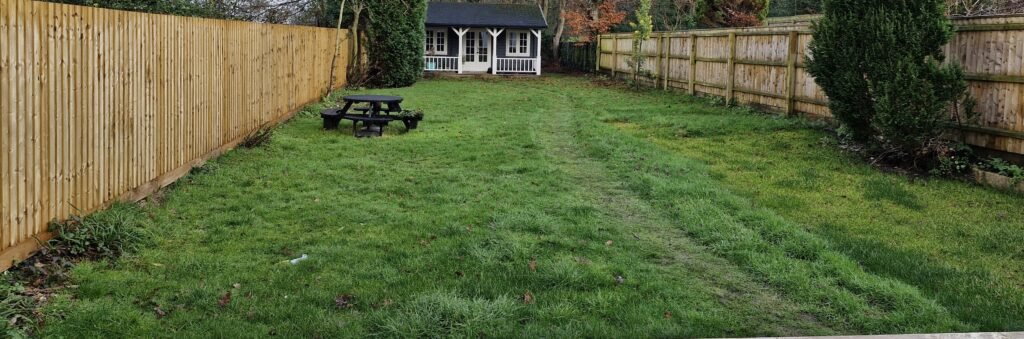
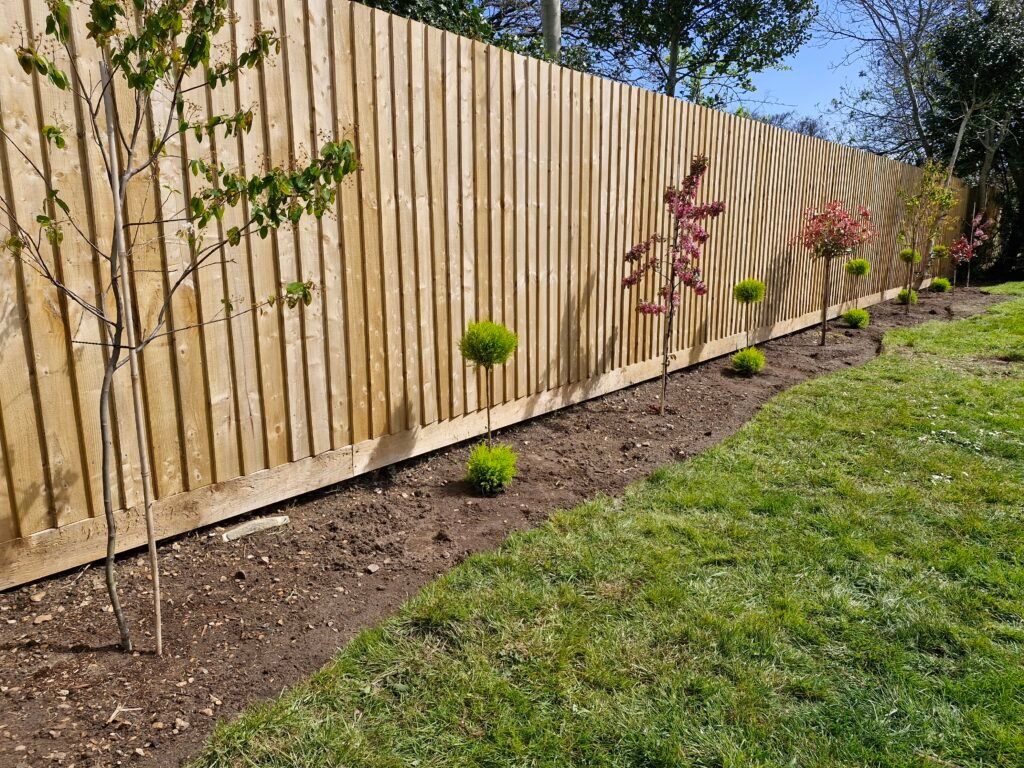
Once we replaced the dilapidated fence, it was a huge positive but I instantly missed the green of the ivy that had been covering it. Without that soft backdrop, all I could see in our long, straight garden was… a corridor. A green one, but still a corridor, and I knew something had to change.
For years our garden wasn’t really a garden at all — it was a football pitch for our three children. It was perfect for that stage of life, but once they grew and spent less time outside, the space was left tired, patchy and a bit forgotten. A few abandoned plants clung on, the fruit trees had died off and the remaining shrubs had turned into thorny monsters – great for blackberries in the summer, but that was about the only good thing they offered. Everything felt overgrown, flat and lifeless.
Once the fence was replaced and all the lovely green foliage of the ivy had disappeared, I realised the garden needed more than a tidy‑up — it needed some shape. This is where my transformation begins — not as an expert, but as someone who had absolutely no idea where to start.
Borders felt like the obvious first step, but even that opened up a whole new world of questions. What kind of border? Curved or straight? How can we make the garden look wider? Should we put in another path or will that break up the space too much? How do you even decide where a path should go? I spent weeks staring at my garden from every angle and researching different styles and this post is the start of me sharing what I’ve discovered.
To get started, I used flour to mark out the beginnings of the borders. I found this tip on-line and felt rather pleased with myself… until it rained! However, those wiggly white lines were enough to help me picture how the garden could eventually flow and it began to feel exciting….
Here are the border styles I found, the ones that finally helped me understand how to shape a long garden.
The Border Styles I never knew existed… until now…
1. Straight Borders
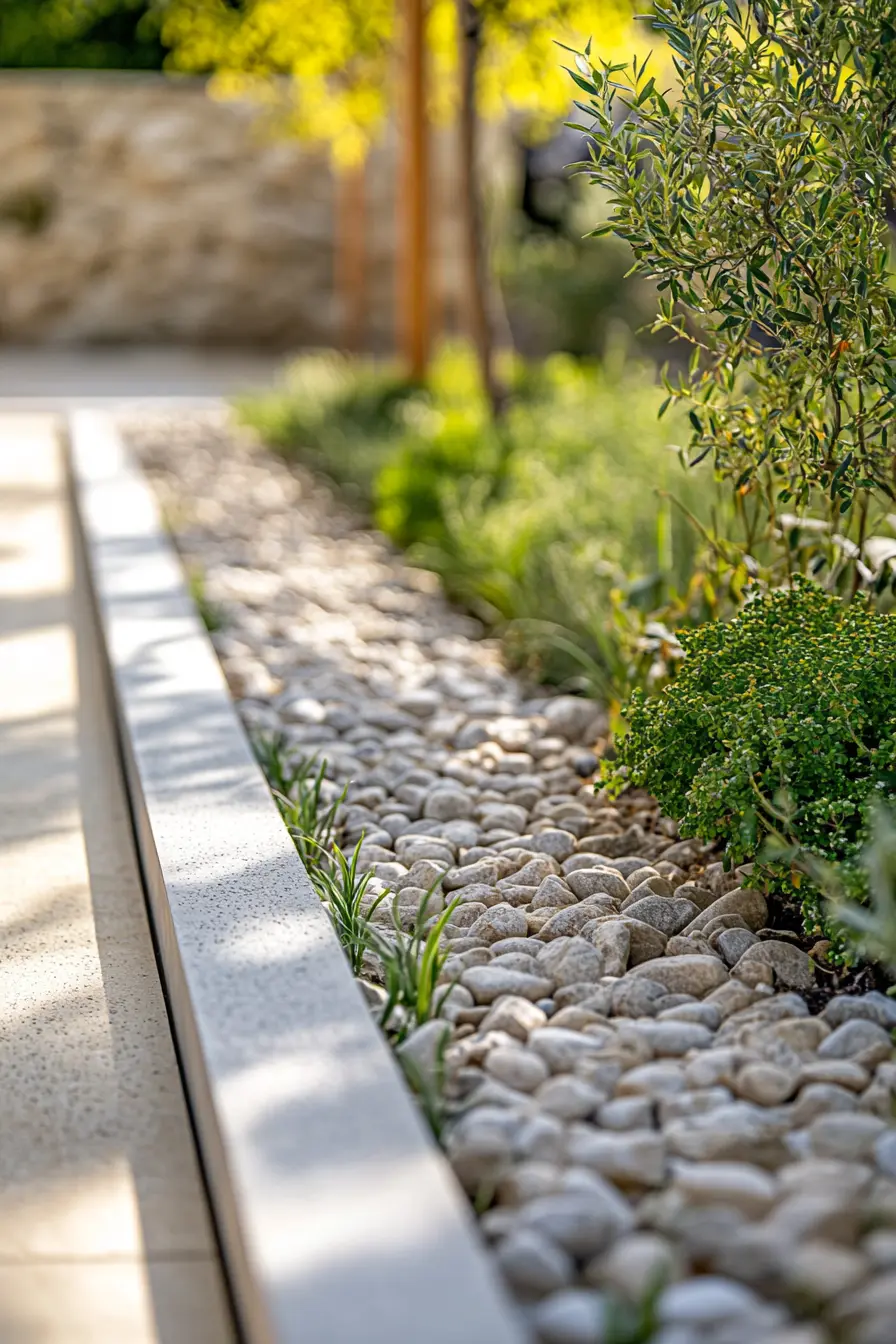
These run in a clean line along a fence or path. They’re the simplest to plan because you’re basically following the existing shape of the garden.
What I’ve learned: Straight borders can make a long garden feel even longer if you’re not careful. They’re tidy and easy, but they don’t break up the “corridor” feeling on their own. They work best when you add height and layers to create depth.
2. Curved Borders
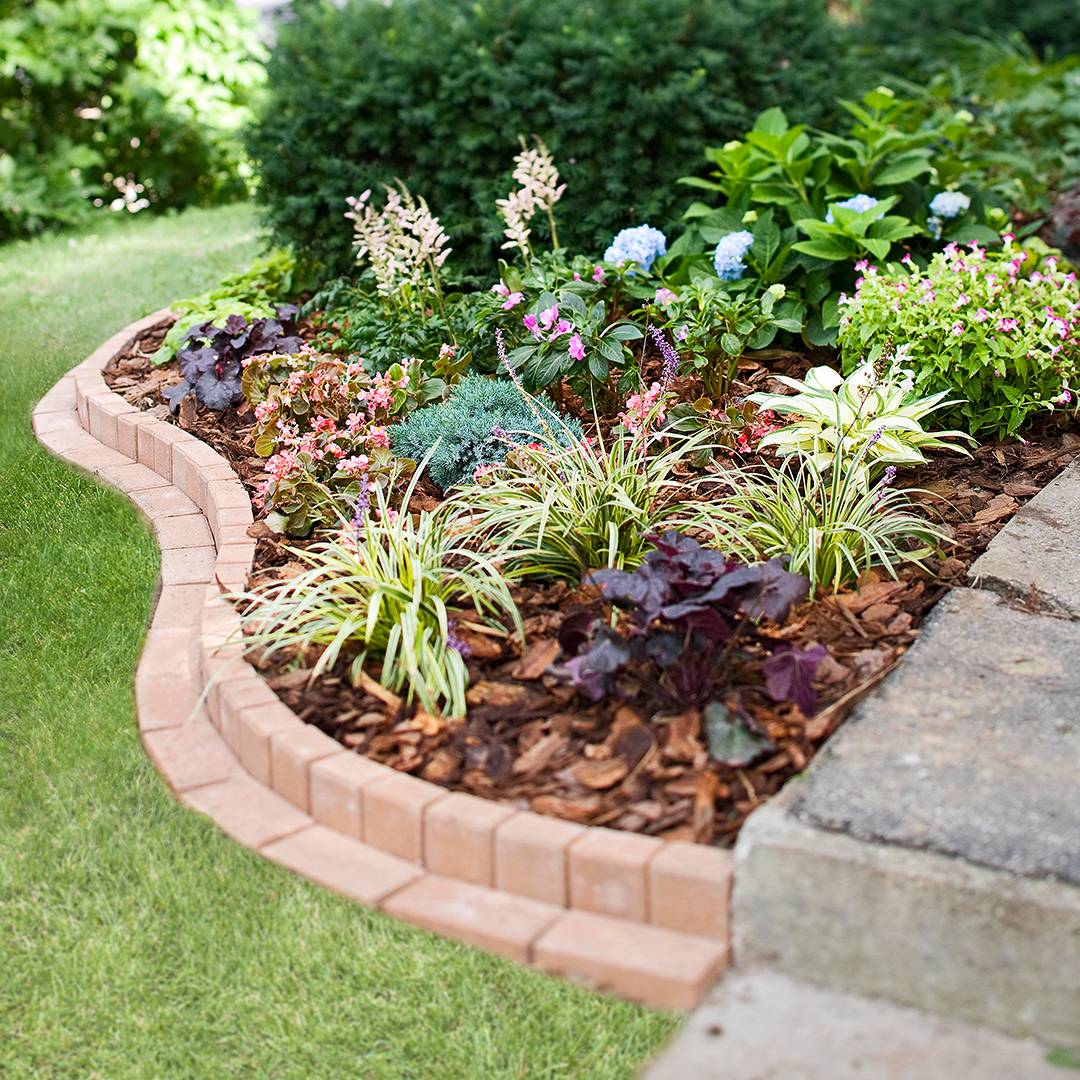
What I’ve learned: Curves are magic in a long garden. Even a small curve tricks the eye into thinking the space is wider and more interesting. You don’t need dramatic waves — a subtle bend is enough to change the whole mood.
These gently sweep in and out, softening the straight lines of the garden.
3. Island Borders
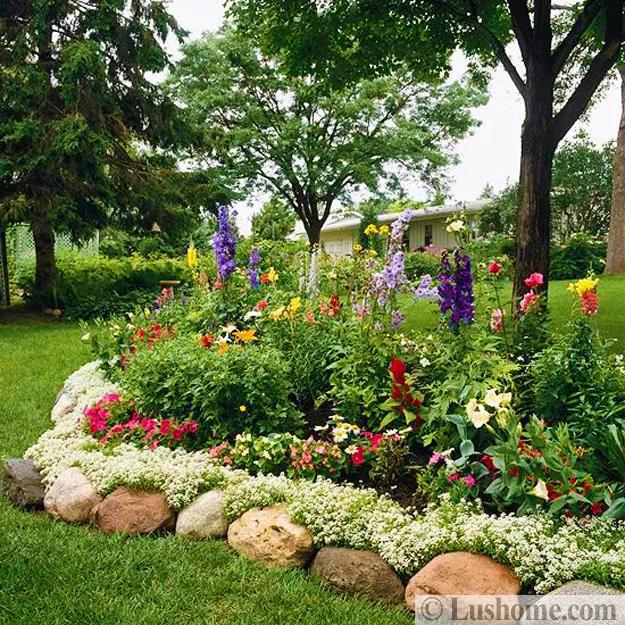
These sit in the middle of the lawn rather than along the edges.
What I’ve learned: I didn’t even know these existed until recently. They’re brilliant for long gardens because they break up the space and create “moments” as you walk through. They also give you a focal point without needing a big feature like a tree or sculpture. However, probably not the best option for our garden as we want to try and make the space feel wider.
4. Mixed Borders

These combine shrubs, perennials, grasses, and seasonal plants in layers.
What I’ve learned: This is the style you see in those dreamy garden photos — lots of texture, movement, and colour. Mixed borders are forgiving for beginners because even if one plant fails, the others fill in. They also add depth, which is exactly what a long garden needs.
5. Raised Borders
These are built up with sleepers, bricks, or stone so the soil sits higher than the lawn.
What I’ve learned: Raised borders add structure and make the garden feel more designed. They’re great if your soil is poor or if you want to create height without relying on tall plants. They also help break up the long, flat feel of a narrow space.
6. Structural Borders
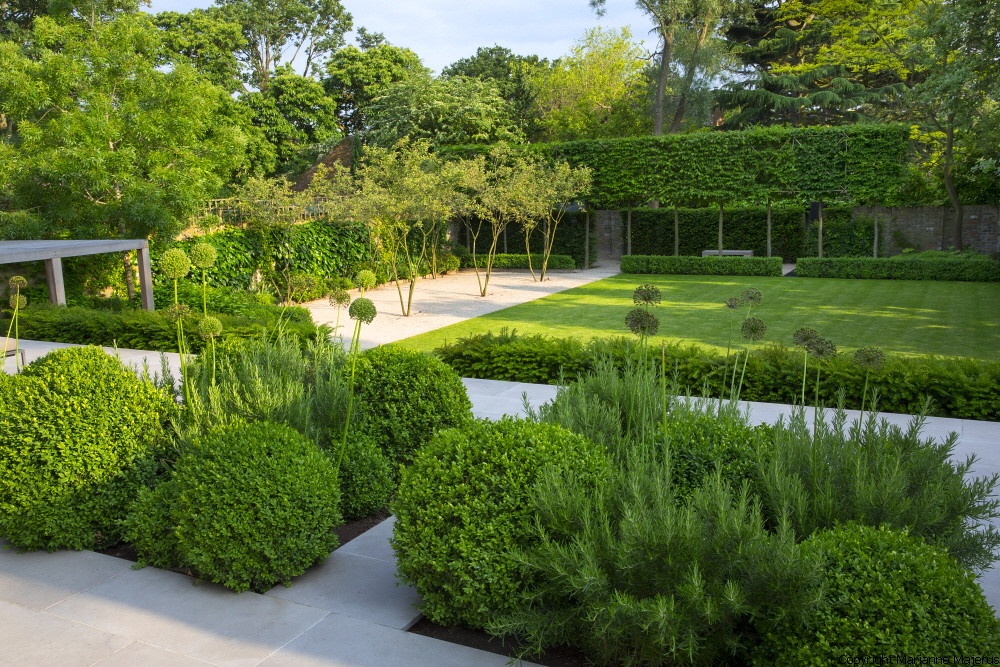
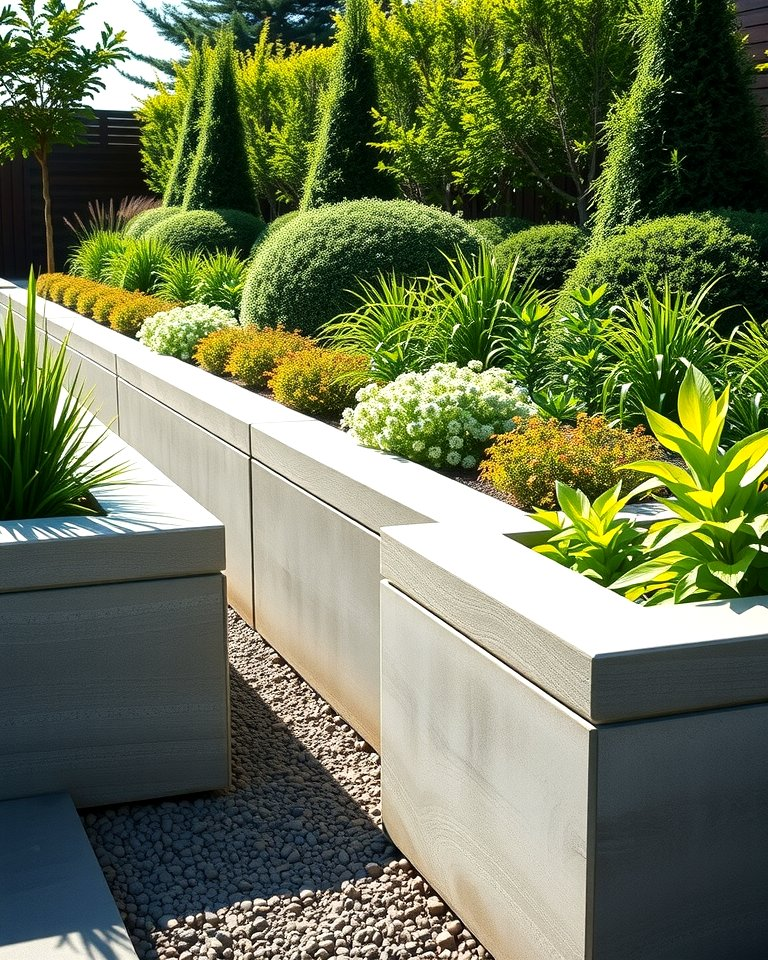
These use hedging, shrubs, or evergreens to create shape all year round.
What I’ve learned: These are the “bones” of the garden. Even when everything else dies back in winter, structural borders keep the garden looking intentional. In a long garden, they help anchor the space and stop it feeling empty.