
Goodbye Corridor – Hello Curves!
When I first looked at my long, straight garden, all I could see was… a corridor. A green one, but still a corridor. Bending the Boring is the moment I decided that had to change. This is where my transformation begins — not as an expert, but as someone who had absolutely no idea where to start. Borders felt like the obvious first step, but even that opened up a whole new world of questions. What kind of border? Curved or straight? How do you even decide where the path should go? I’ve spent weeks learning, sketching, and staring at my garden from every angle, and this post is the start of me sharing what I’ve discovered — the simple things that finally helped me understand how to shape a long garden so it feels intentional, inviting, and full of character.
The Border Styles I never knew existed… until now…
1. Straight Borders
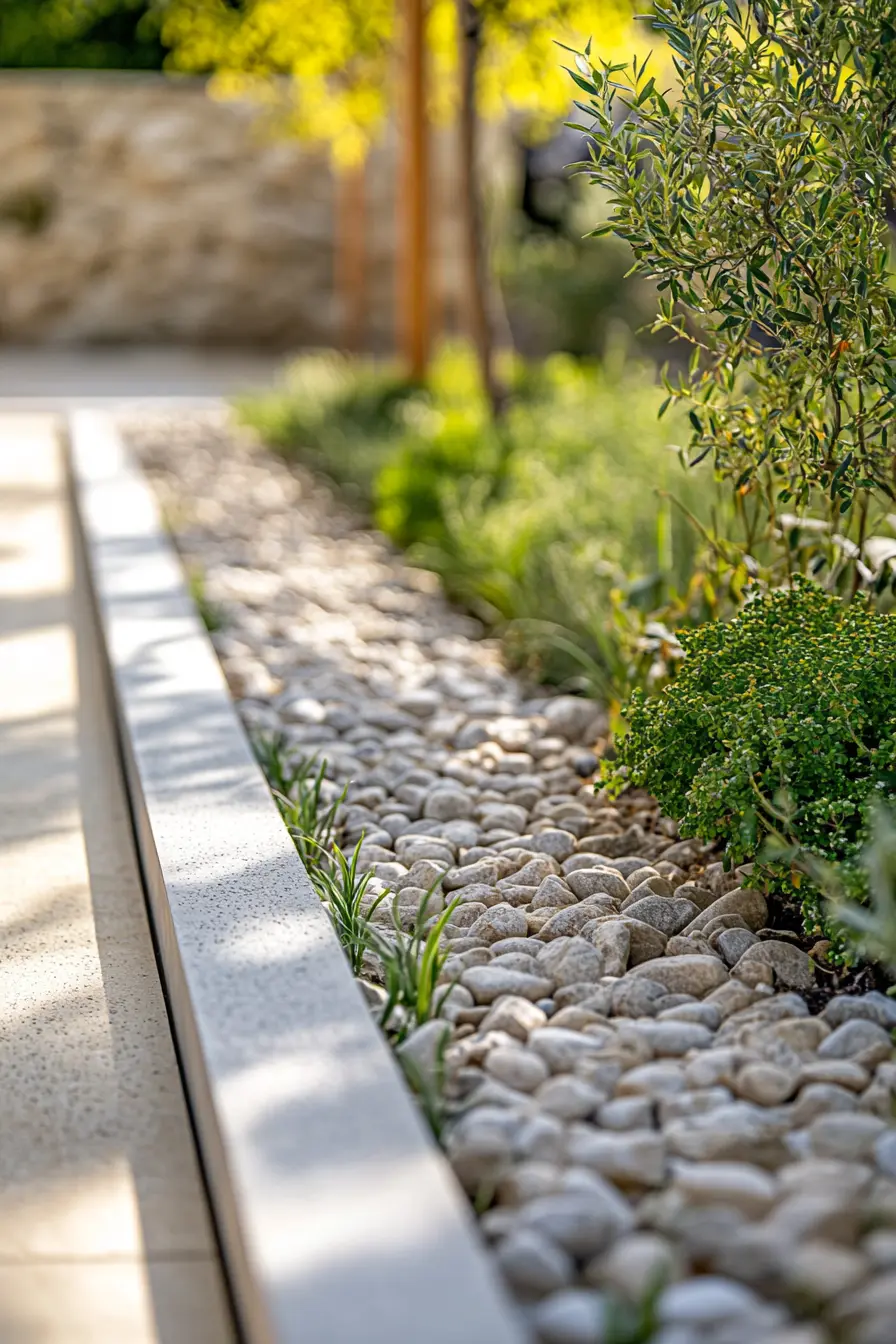

These run in a clean line along a fence or path. They’re the simplest to plan because you’re basically following the existing shape of the garden.
What I’ve learned: Straight borders can make a long garden feel even longer if you’re not careful. They’re tidy and easy, but they don’t break up the “corridor” feeling on their own. They work best when you add height and layers to create depth.
🌿 2. Curved Borders
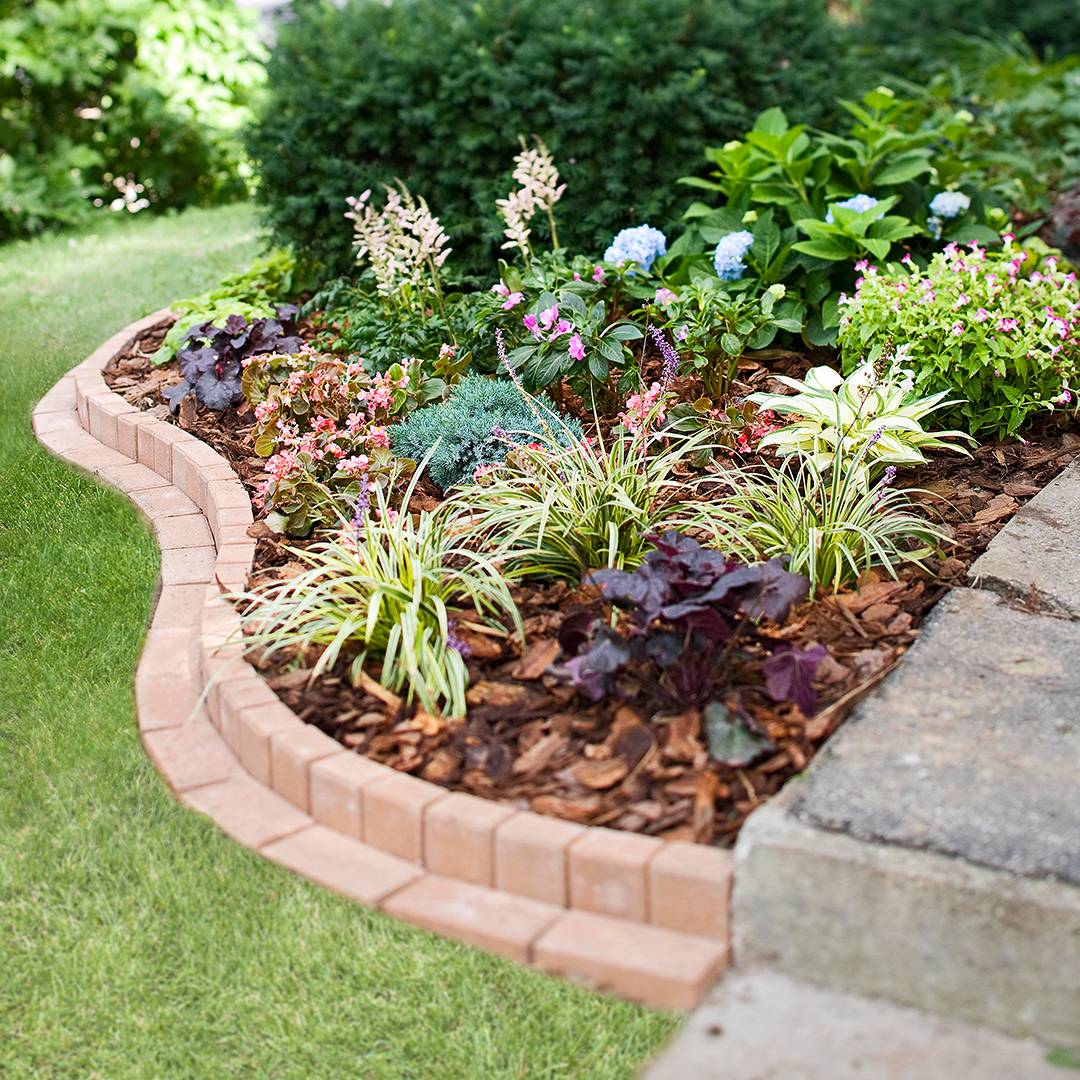
What I’ve learned: Curves are magic in a long garden. Even a small curve tricks the eye into thinking the space is wider and more interesting. You don’t need dramatic waves — a subtle bend is enough to change the whole mood.
These gently sweep in and out, softening the straight lines of the garden.
🌸 3. Island Borders
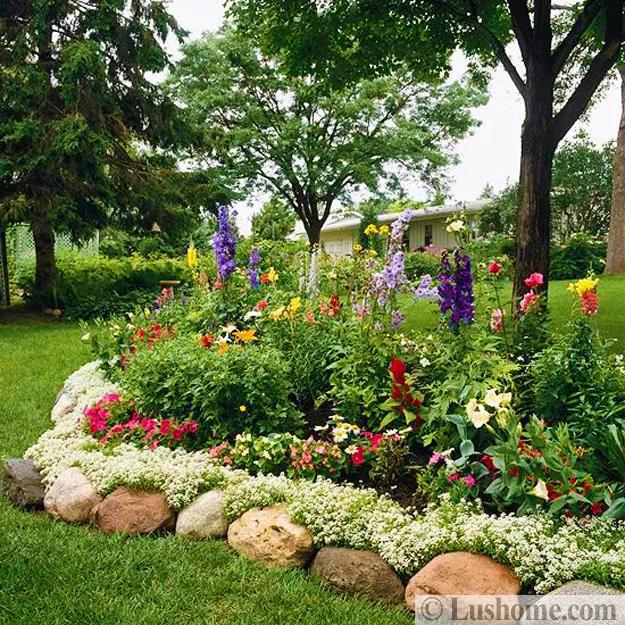
These sit in the middle of the lawn rather than along the edges.
What I’ve learned: I didn’t even know these existed until recently. They’re brilliant for long gardens because they break up the space and create “moments” as you walk through. They also give you a focal point without needing a big feature like a tree or sculpture.
🌾 4. Mixed Borders

These combine shrubs, perennials, grasses, and seasonal plants in layers.
What I’ve learned: This is the style you see in those dreamy garden photos — lots of texture, movement, and colour. Mixed borders are forgiving for beginners because even if one plant fails, the others fill in. They also add depth, which is exactly what a long garden needs.
🌼 5. Raised Borders
These are built up with sleepers, bricks, or stone so the soil sits higher than the lawn.
What I’ve learned: Raised borders add structure and make the garden feel more designed. They’re great if your soil is poor or if you want to create height without relying on tall plants. They also help break up the long, flat feel of a narrow space.
🌳 6. Structural Borders
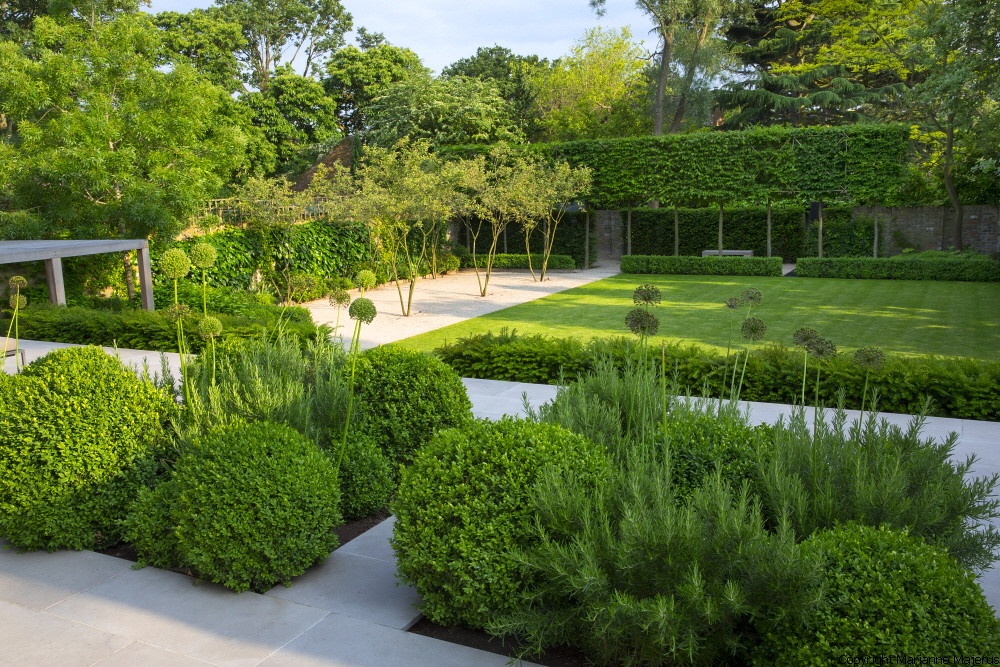
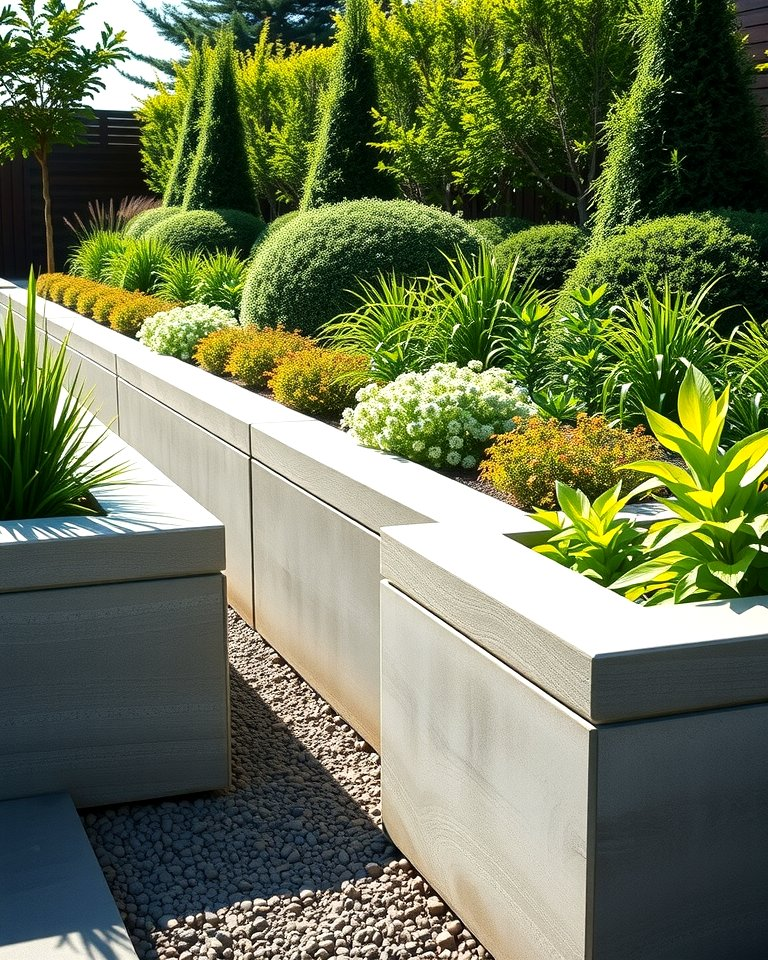
These use hedging, shrubs, or evergreens to create shape all year round.
What I’ve learned: These are the “bones” of the garden. Even when everything else dies back in winter, structural borders keep the garden looking intentional. In a long garden, they help anchor the space and stop it feeling empty.
On the right-hand side of my garden, I’ve got a row of bricks acting as a barrier under the fence. They’re not pretty, so I’ll be painting them soon — I’ll link the paint I’m considering below.”On the right-hand side of my garden, there’s a line of bricks sitting under the fence to block a gap between my garden and next door’s. They’re practical, but not exactly beautiful. Part of this border transformation will be figuring out how to disguise them — probably with paint first, and then with plants that spill over the edge. I’ll share what I try (and what fails!) as I go.”
Affiliate links:
- Masonry paint
- Exterior primer
- Small exterior paint brushes
’m also looking for plants that will spill over the edge to soften the look of the bricks — I’ll share a few I’m considering.”
Affiliate links:
- Hardy trailing plants
- Creeping thyme
- Erigeron (Mexican fleabane)
- Trailing rosemary
- Campanula
This is Part 1 of my border transformation series. Next time, I’ll be laying everything out properly — curves, paths, shapes, and where each border will go. If you’re planning your own long garden, check back in for Part 2.”

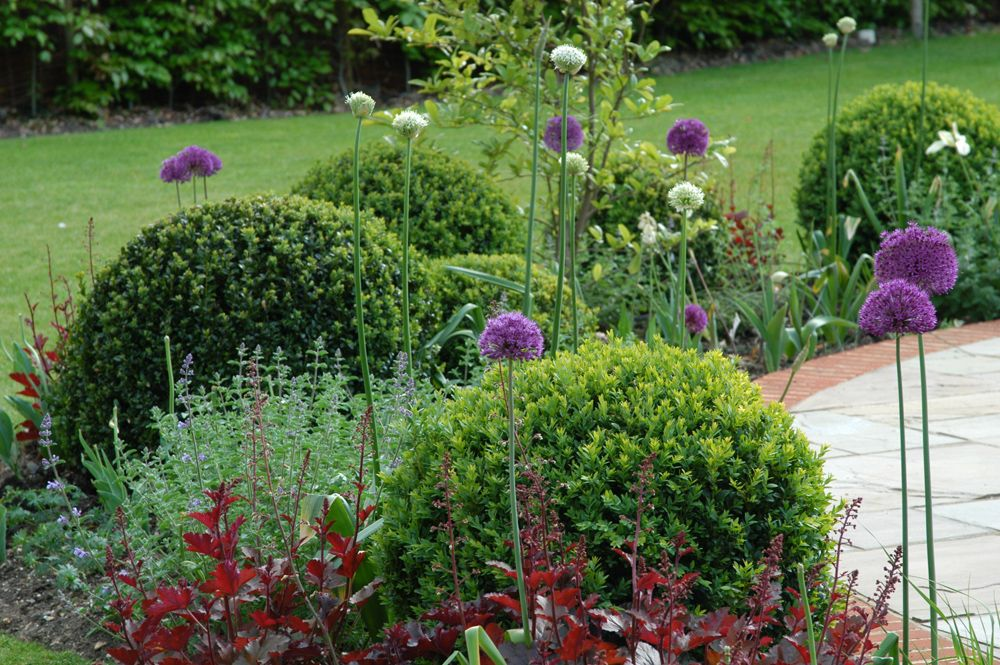
So… what did I actually choose after all this research and overthinking? In true Goldilocks fashion, I’ve landed somewhere right in the middle. I adore the romance and looseness of a cottage garden — all the movement, the colour, the slightly wild edges — but I’m also drawn to the calm, tidy geometry of a more structured garden. Little box balls, clipped circles, neat punctuation points… they just make me happy. The challenge was figuring out whether I could mix the two without it looking confused. And the answer is yes — completely. Some of the most beautiful gardens blend soft, wavy borders with simple, repeated shapes, and it creates this lovely balance of relaxed and refined. It will take me a bit of time to introduce the shapes (topiary doesn’t grow overnight!), but I think this style fits our home perfectly. I’d describe our interior as classic modern, and this feels like the garden version of that — structured enough to feel intentional, soft enough to feel welcoming.